Moppey Spottless Clean Pros
Storefront and facade cleaning in Miami

Rated 5★ · 43 reviews

Storefront & Facade Cleaning Miami, FL

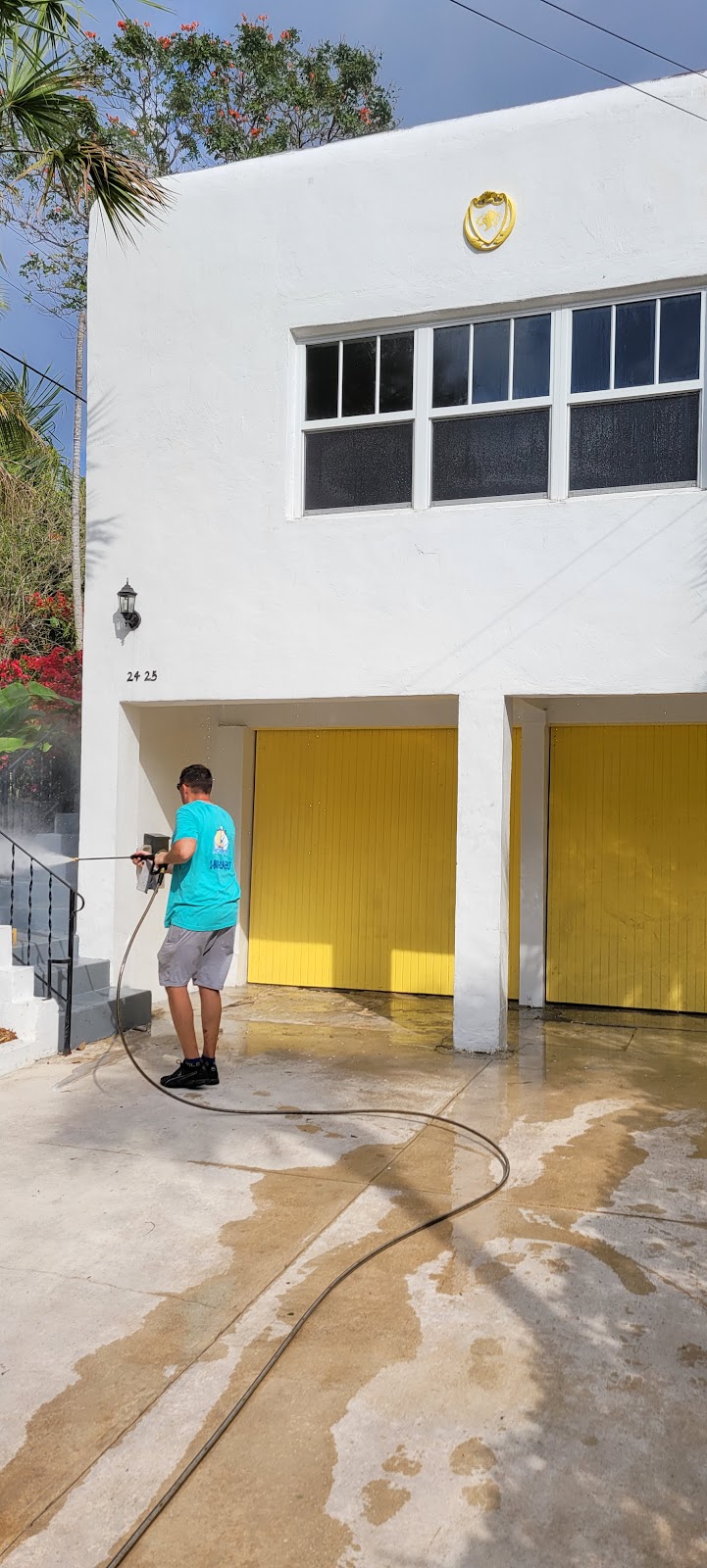
Sharp entrance glass, a clean facade, and a sidewalk free of gum and grime — the first impression every Miami customer sees before they walk in.

Serving Miami & surrounding South Florida

Rated 5★ · 43 reviewsFully InsuredResidential & CommercialSoft Wash SafeHablamos Español

The Miami problem

Why storefront & facade cleaning matters in Miami

A customer decides whether your business looks cared for before they ever touch the door. Cloudy entrance glass, a facade streaked with mildew, gum ground into the sidewalk, and smudged door pulls all say the same thing to someone walking by: nobody's minding this place. On a Miami retail corridor where the next storefront is ten feet away, that judgment costs you walk-ins.

Storefront and facade cleaning is its own discipline. It isn't one surface, it's the whole face of the building at street level — the glass and door hardware people touch, the stucco or panel facade above them, the signage and awning, and the concrete they stand on. Each takes a different method, and pointing a pressure washer at all of it is how businesses end up with etched glass, streaked panels, and a torn awning.

Moppey cleans the entire street-facing package and matches the method to each surface: soft washing where pressure would do harm, hand-detailing the glass and touchpoints, and full pressure only on the concrete that can take it. We work early, off-hours, or on a recurring schedule so your entrance is spotless before you unlock the door — not roped off during your busiest hour. No damage, no streaks, no shortcuts.

What’s included

What our storefront & facade cleaning covers

  • Entrance glass, sidelights, and glass doors washed and squeegeed streak-free and spot-free
  • Door pulls, push plates, and high-touch hardware wiped down and de-smudged
  • Facade soft washing — stucco, EIFS, brick, metal, and composite panels — to lift mold, mildew, and algae without etching
  • Signage, channel letters, and light boxes cleaned carefully so faces and lighting aren't damaged
  • Awnings and canopies soft washed to remove black streaking and grime without tearing the fabric or vinyl
  • Entry sidewalk and walkway pressure washed with a surface cleaner — gum, spills, grease, and foot-traffic grime lifted out
  • Salt film and hard-water spotting treated on coastal and street-facing glass
  • Sill, track, and threshold detailing so doors slide, seal, and look finished
  • Off-hours, early-morning, or recurring scheduling so cleaning never blocks your customers
  • Full rinse-down of the frontage so nothing dries with a dirty film before you open

Our method

How we clean it safely

We treat a storefront as a sequence of surfaces, not one blast target, and we work top-down so nothing clean gets dirtied twice. The facade comes first: stucco, panels, and brick get a low-pressure soft wash with a solution matched to the growth, which lifts mold, mildew, and algae at the root instead of blasting the wall and driving water behind the panels or signage. Awnings and canopies are soft washed too — fabric and vinyl tear and fade under high pressure, so the chemistry does the work. Signage and channel letters are cleaned by hand or at gentle pressure so we don't crack a light box or flood a fixture.

Then the touchpoints and the ground. Entrance glass, sidelights, and glass doors are hand-washed, squeegeed, and where needed given a purified-water rinse so they dry with no spots — plus the door pulls and push plates every customer touches. The sidewalk and entry pad are the one place full pressure belongs: we run a rotary surface cleaner to pull gum, grease, drink spills, and foot-traffic grime out of the concrete in an even pass with no wand stripes across your entrance. We contain water and debris away from the doorway and the public walkway, and because most of this happens at street level in front of your neighbors' businesses, we work cleanly, quietly, and off-hours. We're fully insured, which most landlords and property managers require before anyone works on a commercial frontage.

Soft wash vs pressure wash

A storefront needs both methods, matched to the surface. The facade, signage, and awnings are soft washed under low pressure — high PSI etches stucco, cracks sign faces, and shreds awning fabric. The entrance glass and door hardware are hand-detailed, never blasted. Full pressure is reserved for the one durable surface that earns it: the concrete sidewalk and entry pad, where a surface cleaner lifts gum and grime evenly with no stripes.

Best for

Who this service is for

  • Retail shops, boutiques, and restaurants on Miami street-level corridors where the frontage is the first impression
  • Storefronts with cloudy or salt-hazed entrance glass that makes the whole shop look tired
  • Sidewalks and entry pads with ground-in gum, drink spills, grease, and foot-traffic black spotting
  • Facades and awnings streaked with mildew and algae from Miami humidity and rain
  • Property managers and landlords maintaining a consistent look across multiple ground-floor tenants
  • Franchises and multi-location brands needing a repeatable, scheduled frontage clean
  • New tenants prepping a space before a grand opening, and businesses refreshing before an inspection or busy season

Miami surface insight

A Miami storefront gets it from two directions. Near the coast and the bay, salt in the air bonds to entrance glass as a hazy film and slowly corrodes metal door frames, signage, and awning hardware — frontages within about a kilometer of the water sit in the most aggressive corrosion zone there is, ISO C5-M marine. Inland, our hardest-in-the-state tap water — roughly 11 grains per gallon from the limestone Biscayne Aquifer — means every sprinkler drift or hose splash that dries on the glass leaves a dense mineral spot. Add year-round humidity and daily summer rain growing mildew on the facade and awning, and a storefront that looked sharp in spring reads neglected by mid-summer. That's why so many Miami businesses put their frontage on a recurring schedule instead of waiting until it looks bad.

Insured — COI on request
Plant-safe soft washing
Before & after photos
Satisfaction guarantee

In-depth guide

Storefront & Facade Cleaning in Miami: the complete guide

Storefront and facade cleaning in Miami: the complete guide

A storefront is the only marketing you can't turn off. It works on every person who drives, walks, or scrolls past — and in Miami's climate, it degrades faster than anywhere else in Florida. Salt bonds to glass. Humidity feeds mildew on stucco. Afternoon rain leaves mineral spots. Foot traffic grinds gum and grease into the entry concrete. Left alone, the whole street-facing package slides at once, and a business that opened looking sharp reads "neglected" by mid-summer. This guide goes past the basics and into the surface-by-surface craft, the frequency math, and the Miami-specific decisions that separate a facade clean that lasts from one that streaks back in a month.

What storefront and facade cleaning actually covers

The term sounds like one job. It's really a coordinated sequence across surfaces that each demand a different tool, pressure, and chemistry. A proper storefront clean handles:

  • Entrance glass, sidelights, and glass doors — hand-washed and squeegeed, or given a purified-water rinse where mineral spotting is heavy
  • The facade above street level — stucco, EIFS, brick, split-face block, metal panels, or composite cladding, soft washed to kill mold and algae at the root
  • Signage, channel letters, and light boxes — cleaned by hand or at gentle pressure so faces don't crack and fixtures don't flood
  • Awnings and canopies — soft washed so fabric and vinyl don't tear or fade
  • The entry sidewalk, walkway, and pad — full-pressure surface cleaning to lift gum, grease, and foot-traffic film
  • High-touch hardware — door pulls, push plates, kick plates, and thresholds detailed so the whole entrance reads finished

The mistake that wrecks storefronts is treating that list as one blast target. High pressure on stucco etches it and drives water behind the wall; on an awning it shreds the fabric; on a sign face it cracks the acrylic; on glass it can chip the edges and blow out the perimeter seal. The right method for each surface is the entire job.

The Miami problems this service is built to solve

Every Miami facade fights three forces the rest of the country doesn't face at this intensity:

  • Salt corrosion (coastal ISO C5-M). Frontages within roughly a kilometer of the coast or Biscayne Bay sit in the most aggressive corrosion category the international standard defines. Airborne salt bonds to entrance glass as a haze that re-coats within weeks, and it slowly pits and rusts metal door frames, sign cabinets, awning hardware, and railings.
  • Humidity-driven biological growth. Year-round moisture and daily summer rain feed mold, mildew, and algae on stucco, EIFS, and awnings. The green and black streaking you see isn't dirt sitting on the surface — it's a living colony rooted into the pores, which is why wiping or blasting only makes it come back faster.
  • The hardest water among major Florida cities. Miami tap water runs around 11 grains per gallon, drawn from the limestone Biscayne Aquifer. Every sprinkler drift, hose splash, or rain sheet that dries on glass leaves a dense calcium-magnesium spot that ordinary washing can't clear.

Add ground-level realities — gum, spilled drinks, grease tracked from restaurants, and gray foot-traffic film on the entry concrete — and you have a facade that needs a genuine maintenance discipline, not an annual scrub.

How the process works, step by step

A professional storefront clean follows a top-down, dirty-to-clean sequence so nothing already cleaned gets re-soiled:

  1. Walk and scope. The frontage is sorted by surface — what takes pressure, what needs soft washing, what gets hand detail — and access, water source, and drainage are confirmed. Water containment away from the doorway and public walkway is planned here.
  2. Facade first. Stucco, EIFS, brick, and panels get a low-pressure soft wash with a solution matched to the growth. The chemistry kills the algae and mildew colony; the wall is then rinsed clean, not blasted.
  3. Signage and awnings. Channel letters and light boxes are cleaned by hand or at gentle pressure. Awnings and canopies are soft washed so the fabric releases its black streaking without tearing.
  4. Glass and touchpoints. Entrance glass, sidelights, and doors are hand-washed and squeegeed, with a purified-water rinse where hard-water or salt spotting demands it. Door pulls, push plates, and thresholds are wiped down.
  5. The ground last. A rotary surface cleaner runs real pressure across the sidewalk and entry pad, lifting gum, grease, and traffic film in an even pass with no wand stripes across the entrance.
  6. Full rinse-down. The entire frontage is rinsed so nothing dries with a dirty film, and debris is cleared from the doorway before the doors open.

Surfaces and materials, and how each is treated

The reason experience matters is that every facade material fails differently under the wrong approach:

  • Stucco and EIFS are porous and, in the case of EIFS, foam-backed. They must be soft washed under low pressure; high PSI etches the finish and can force water into the wall system, where it causes real structural damage.
  • Brick and split-face block hold algae deep in their texture and mortar joints. Chemistry does the work; aggressive pressure erodes soft mortar and pits the face.
  • Metal and composite panels (ACM, aluminum, storefront framing) show streaking and salt film. They clean with gentle pressure and the right detergent; abrasive methods scratch the finish and accelerate coastal corrosion.
  • Glass near the coast carries a salt haze that needs the correct solution, not muscle; inland glass carries hard-water mineral spots that often require a targeted acid or specialty treatment because the deposit is bonded, not loose.
  • Awning fabric and vinyl fade and tear under pressure and hold mildew in the weave — a soft-wash-only surface, always.
  • Concrete entry pads are the one durable surface that earns full pressure, cleaned with a surface cleaner for an even, stripe-free finish.

Restaurants, grease, and health-code frontages

Restaurant and food-service storefronts carry a load retail doesn't: airborne grease that settles on the facade, grease tracked onto the entry concrete, dumpster-pad and back-of-house buildup, and health-inspection exposure. Greasy concrete near an entrance isn't just ugly — it's a slip hazard and an inspection flag. Degreasing agents and hot-water-capable surface cleaning break down oils that cold water and plain pressure just smear around. For food-service tenants, a scheduled frontage and pad clean is part of staying inspection-ready, not just looking good.

What drives the cost

No two frontages price the same. The honest factors that move a storefront quote are:

  • Frontage width and total square footage across all surfaces, not just the glass
  • Which surfaces are in scope — glass only, or glass plus facade, signage, awnings, and sidewalk
  • Condition and neglect level — a maintained frontage cleans fast; years of rooted algae, bonded salt haze, or ground-in gum takes more time and stronger chemistry
  • Surface material — delicate EIFS, carved signage, and hard-water-etched glass need slower, more careful methods
  • Access and height — upper facade, tall signage, and anything requiring lifts or ladders adds labor and equipment
  • Frequency — recurring visits almost always cost less per visit than one-off calls because the surfaces never fully redevelop

We never quote a flat storefront price sight-unseen. A quick look at the frontage or a few photos and the details above get you an accurate free quote.

How often to schedule it in Miami

Frequency is where Miami businesses save the most money, because maintenance is far cheaper than restoration:

  • Coastal and bay-front glass: every 6–8 weeks. Salt re-hazes fast this close to the water.
  • High-traffic entryways and sidewalks: roughly quarterly, so gum and traffic film never build into a stain.
  • Full facade and awning soft wash: every 6–12 months for most storefronts, tighter for shaded, north-facing, or heavily-vegetated walls that stay damp.
  • Restaurants and heavy foot traffic: more frequent entry-pad cleaning, often monthly to quarterly.

Waterfront corridors and shaded facades slide faster; a maintained recurring plan holds the whole frontage at a consistent standard instead of swinging between "just cleaned" and "looks tired."

How it compares to DIY and a rental machine

A rental pressure washer is the fastest way to turn a maintenance job into a repair bill. Consumer machines have one setting — too much pressure — with no way to soft wash the facade, no purified-water system for the glass, and no surface cleaner for stripe-free concrete. The predictable results are etched stucco, torn awnings, cracked sign faces, water forced behind panels, and wand stripes across the entry. A careful professional brings the full method range — low-PSI soft washing with the right chemistry, hand-detailing and spot treatment for glass, and controlled high pressure only where concrete can take it — plus water containment, off-hours scheduling, and the insurance most landlords require before anyone works on a commercial frontage. The difference isn't effort; it's knowing which of five different approaches each surface needs.

Signs your storefront needs it now

  • Entrance glass looks cloudy or hazy even right after your staff wipes it
  • Green or black streaking is spreading down the stucco, panels, or awning
  • The sidewalk has a dark trail where customers walk, or visible gum and grease at the door
  • Door pulls and push plates look grimy and smudged by mid-morning
  • Signage is dulled or filmed and reads less bright at night
  • A grand opening, inspection, lease renewal, or busy season is coming up

If your frontage is checking two or more of those boxes, it's already costing you walk-ins. A clean, cared-for entrance is the cheapest customer acquisition you have.

Moppey cleans the entire street-facing package across Miami and South Florida — glass, facade, signage, awnings, and sidewalk — with the right method matched to each surface, off-hours so we never block your door, and fully insured with a COI on request. For a fast, free, no-pressure quote, call +1 877-754-5614. Most quotes answered the same day. Hablamos Español.
Recent work

Real Moppey results

Storefront and facade cleaning in Miami
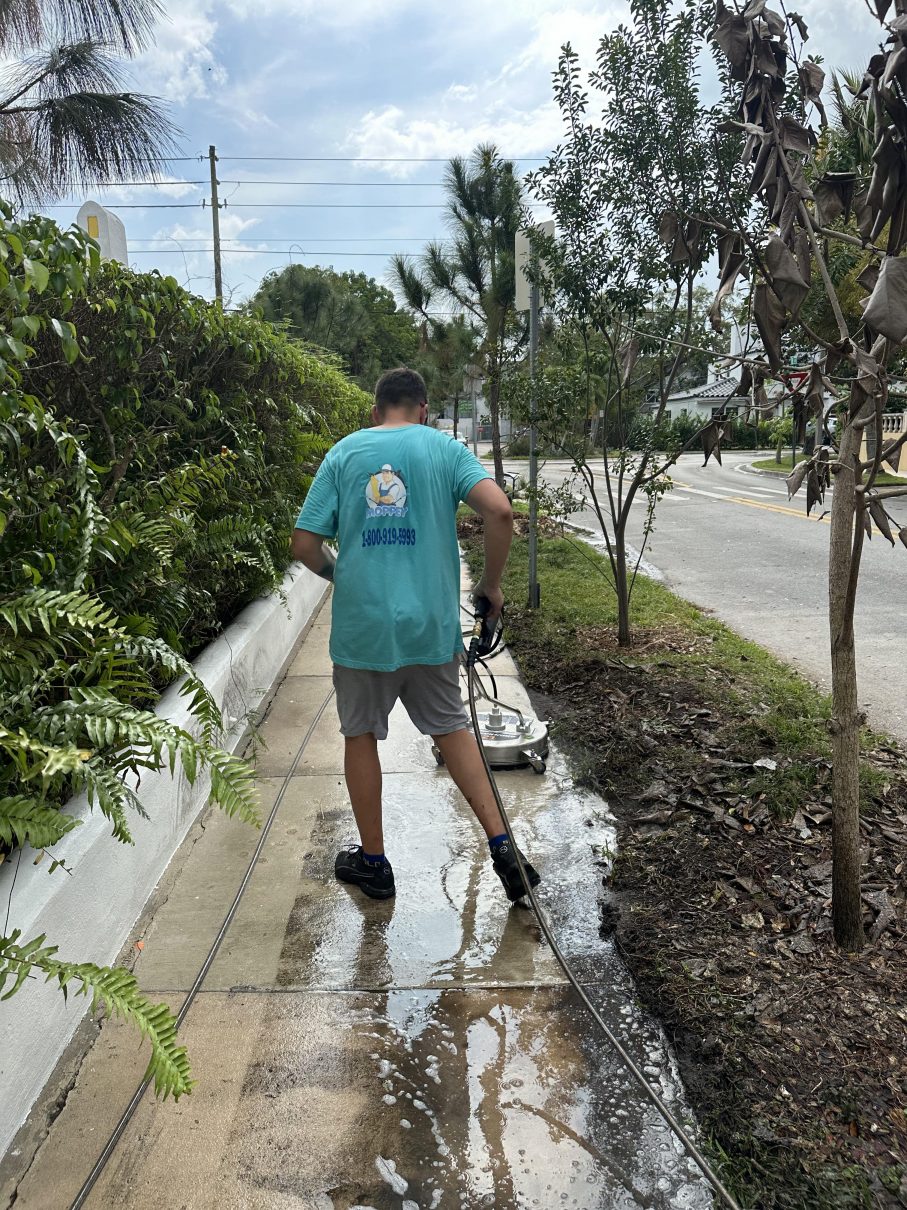
Moppey technician pressure washing a Miami walkway with a surface cleaner
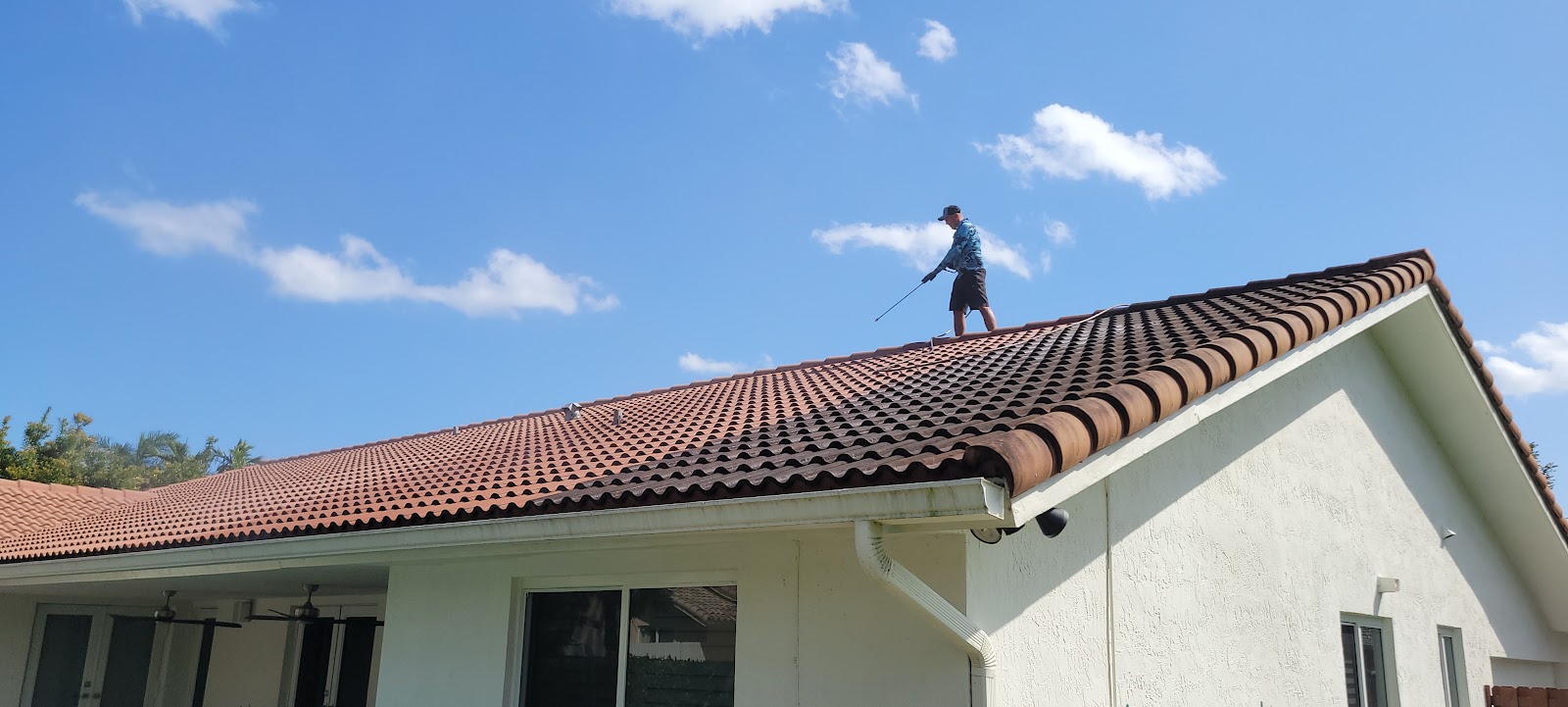
Soft washing a Miami barrel-tile roof
Freshly cleaned Miami driveway

Social proof

What customers say

These guys are awesome. I’ve used Moppey on 2 commercial projects and they exceeded my expectations. Top-notch team and great to work with.
Olivier LemoineCommercial Verified Google review

Good to know

Storefront & Facade Cleaning FAQs

Yes, and that's how we prefer to do it. We schedule storefront work early morning, after close, or on your slow days so your entrance is spotless before you unlock and we're never roped off in front of paying customers. Tell us your hours when you request a quote and we'll build the visit around them.

The whole street-facing package: entrance glass and door hardware, the facade above it — stucco, panels, brick, or metal — signage and awnings, and the sidewalk or entry pad customers stand on. Each surface gets the right method, from hand-detailing the glass to soft washing the facade to full-pressure cleaning the concrete. Tell us what your frontage includes and we'll scope it.

It would, which is why we don't blast them. Awning fabric and vinyl tear and fade under high pressure, sign faces and light boxes crack, and stucco or panel facades etch and let water in behind them. Those all get a low-pressure soft wash with the cleaning solution doing the work. Full pressure is reserved for the concrete sidewalk, where it belongs.

Yes. The entry sidewalk and pad are exactly where full pressure earns its place. We run a rotary surface cleaner that lifts gum, drink spills, grease, and ground-in foot-traffic grime out of the concrete in an even pass, so there are no wand stripes across your entrance and no dark trail where customers walk.

Two culprits. If you're near the coast or the bay, airborne salt keeps bonding to the glass as a haze that re-coats within weeks. Everywhere in Miami, our very hard tap water leaves calcium and magnesium spots wherever sprinkler overspray or rain dries. Neither is loose dirt, so wiping harder won't clear them — salt needs the right solution and mineral spots need a targeted treatment, which is why coastal frontages benefit from cleaning every few weeks.

Yes. We work with property managers, landlords, and multi-location brands to keep a consistent look across ground-floor storefronts, and a recurring schedule usually costs less per visit than one-off calls. Send us the addresses and roughly what each frontage needs and we'll put together a single quote.

Yes, we're fully insured, and most landlords and property managers require proof of liability and workers-comp coverage before anyone works on a commercial frontage. We can provide it up front so scheduling isn't held up. For context, one of our commercial clients, Olivier, put it this way: "I've used Moppey on 2 commercial projects and they exceeded my expectations."

Request a free quote by phone at +1 877-754-5614 or through the form, and tell us the frontage width, what it includes — glass, facade, signage, awning, sidewalk — and your business hours. We give fast free quotes and answer most the same day. Hablamos Español.

More often than a typical retail frontage. Airborne grease settles on the facade and gets tracked onto the entry pad, and greasy concrete near a door is both a slip hazard and a health-inspection flag. Most food-service storefronts do best with monthly to quarterly entry-pad degreasing plus a facade and awning soft wash a couple of times a year. We can build a cadence around your inspection schedule and busiest days.

Yes, with the right access equipment for the height rather than improvising off a ladder. Upper stucco, EIFS, panel cladding, and tall sign cabinets get soft washed with low pressure and the correct reach or lift, and we carry the liability and workers-comp coverage property managers require for elevated work. Tell us the building height and access points and we'll factor them into the quote.

No. We pre-wet and rinse landscaping around the frontage so no cleaning solution sits on it, and our soft-wash chemistry is applied at low concentration and diluted on rinse. Miami entrances usually have planters, palms, or beds right at the storefront, so protecting them is part of a normal job, not an add-on.

Those are almost always bonded hard-water mineral spots or a salt haze, not loose dirt, which is why wiping harder does nothing. Miami's tap water is about 11 grains per gallon of calcium and magnesium from the limestone aquifer, so sprinkler overspray and rain leave dense deposits. We treat mineral spotting with a targeted acid or specialty treatment and salt haze with the right solution, then finish with a purified-water rinse so the glass dries spot-free.

Commercial pressure washing is often a single durable surface at scale — a parking lot, a warehouse pad, a long sidewalk. Storefront and facade cleaning is the opposite: a small area packed with five different surfaces that each need a different method, from hand-detailed glass to soft-washed awnings to full-pressure concrete, all in a spot the public sees up close. It's more detail work than blasting, which is why matching the method to each surface matters so much.

Yes, in most cases. Fresh graffiti, sticker adhesive, and flyer paste on glass, metal, and sealed surfaces usually come off with the right solvent or a controlled hot-water pass without damaging the surface underneath. Porous stucco and unsealed brick are trickier and sometimes need specialty removal, so send us a photo and we'll tell you honestly what's achievable before we schedule.

Yes. We work with landlords and property managers to hold multiple ground-floor storefronts to the same standard on one recurring schedule, which usually costs less per visit than one-off calls and keeps the whole corridor looking maintained. Send us the addresses and roughly what each frontage includes and we'll put together a single quote and a COI for your file.

Get your free storefront & facade cleaning quote

Tell us what needs cleaning and we’ll help you choose the right service — from roof stains and driveway grime to windows, patios, balconies and commercial walkways.

Fast free quotes — most answered same day · Hablamos Español

Call NowGet QuoteDirections