
Moppey Spottless Clean Pros
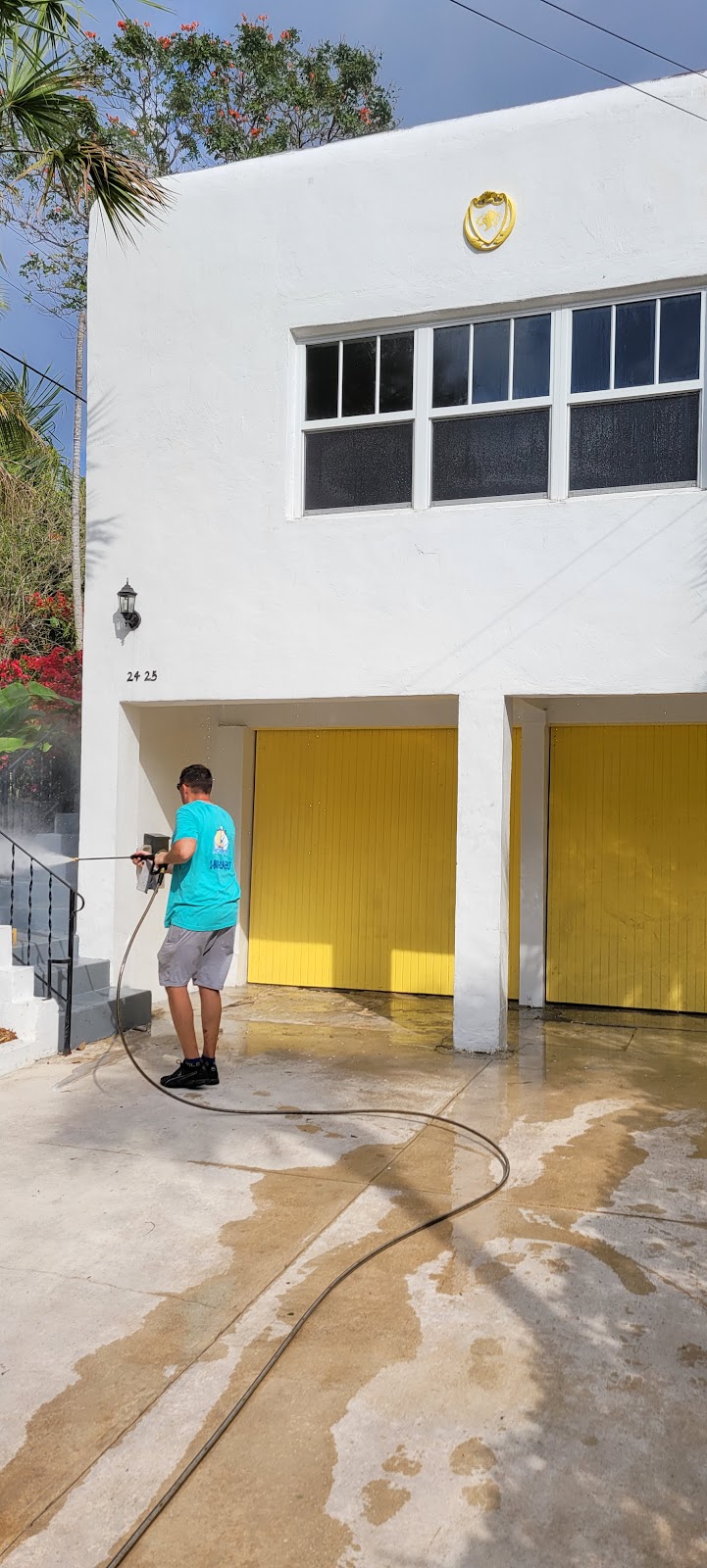
Freshly pressure washed driveway in front of a Miami home

Rated 5★ · 43 reviews

Driveway Cleaning Miami, FL

Lift the tire marks, oil spots, and mildew off your driveway and get back the clean concrete or pavers you forgot you had.

Serving Miami & surrounding South Florida

Rated 5★ · 43 reviewsFully InsuredResidential & CommercialSoft Wash SafeHablamos Español

The Miami problem

Why driveway cleaning matters in Miami

Your driveway is the first thing anyone sees, and in Miami it is also the surface that darkens the fastest. Rain drives dirt into the pores of the concrete. Humidity grows a mildew film in the shaded strip along the garage. Tires leave black scuff lines, and one leaking car turns into an oil map you park around for years. A quick garden-hose rinse never touches any of it.

Moppey cleans driveways the way the surface actually needs. Broom-finish concrete can take a surface cleaner running real pressure. Pavers and softer stone cannot, so we back off the PSI and let the cleaning solution do the work instead of blasting sand out of the joints. Same driveway, two different jobs.

The result is even, edge to edge, with no wand stripes or "clean lane, dirty lane" lines where someone got impatient. Just concrete or pavers that look the way they did before Miami got to them.

What’s included

What our driveway cleaning covers

  • Full driveway surface cleaned edge to edge, including the apron down to the street and the shaded strip by the garage door
  • Surface-cleaner pass on concrete for an even finish with no wand stripes or missed lanes
  • Tire mark and rubber scuff removal from the main drive path
  • Oil and grease spot treatment with a degreaser worked into the stain before rinsing
  • Mold, mildew, and algae film treated with a cleaning solution, not just pressure
  • Rust and irrigation-stain treatment where present (sprinkler run-off, metal furniture, fertilizer)
  • Paver joint care: controlled pressure so we lift grime without stripping out joint sand
  • Attached walkways and the front-entry path cleaned to match so nothing looks half-done
  • Final rinse and a walk-through of the results with you before we pack up

Our method

How we clean it safely

We start by reading the surface. Standard broom-finish concrete gets a flat surface cleaner, a spinning-bar attachment that holds an even distance off the slab so the whole driveway comes out one consistent shade instead of the streaky, striped look you get from waving a pressure wand by hand. Set-in stains, tire marks, and oil spots get pre-treated first: we work a degreaser or cleaning solution into the spot, give it time, then clean it out rather than trying to muscle it off with raw pressure. Mildew and algae are a chemistry problem, not a pressure problem, so we treat the film so it lifts and does not just get pushed around.

Pavers and softer stone get a different setup. Blasting a paver driveway at full concrete pressure strips the sand out of the joints and leaves the whole thing loose and uneven, so we lower the pressure and lean on the solution. We keep water aimed away from your garage threshold and landscaping, and we watch for efflorescence, that chalky white haze that surfaces on pavers, because it needs to be handled before anything gets sealed. If you want your pavers resealed after, that is a separate step we can talk through, not something we rush on top of a still-damp surface.

Soft wash vs pressure wash

Poured concrete driveways handle real pressure well and a surface cleaner is the right tool for an even finish. Pavers, travertine, and other softer stone should be cleaned at lower pressure with a cleaning solution, because high PSI blows the sand out of the joints and can pit soft stone, and joint sand is a lot more expensive to replace than it looks.

Best for

Who this service is for

  • Concrete driveways gone gray, blotchy, or dark from years of Miami rain and humidity
  • Paver and travertine driveways that need the grime out without losing joint sand
  • Driveways with a set-in oil or transmission-fluid stain from a car that leaks
  • Homeowners prepping to sell or list, where curb appeal starts at the street
  • Homes with a shaded, tree-covered drive where mildew and algae take hold fast
  • HOA and property-manager driveways and entrances that need a consistent, clean look
  • Pre-hurricane-season cleanup in the April-May window before the summer storms roll in

Miami surface insight

Miami has the hardest tap water of any major Florida city, roughly 11 grains per gallon pulled from the limestone Biscayne Aquifer, which is why sprinkler overspray leaves chalky mineral rings on a driveway and why rust and irrigation stains set in so stubbornly here. Pair that with year-round humidity and Miami's daily summer rain, and the shaded edge of a concrete drive grows a mildew and algae film faster than almost anywhere in the country. It is not that your driveway is dirty, it is that the climate is working against it every single day.

Insured — COI on request
Plant-safe soft washing
Before & after photos
Satisfaction guarantee

In-depth guide

Driveway Cleaning in Miami: the complete guide

Driveway cleaning in Miami: the complete guide

Driveway cleaning sounds simple until you actually look at what accumulates on a Miami slab. It is not one stain. It is a stack of them, laid down in layers over years, and each one lifts differently. A real driveway cleaning is the disciplined removal of that whole stack, in the right order, at the right pressure for the material underneath, so the surface comes back even and stays clean longer than a rinse ever could. This is where careful method separates a proper job from a wet driveway that dries right back to gray.

Below is what actually goes into it, what Miami's climate does to your concrete and pavers, and how to think about cost, cadence, and whether to reach for a rental machine or call a pro.

What driveway cleaning actually removes

Most homeowners lump it all under "dirt," but a Miami driveway is carrying several distinct problems that each need their own approach:

  • Biofilm (mold, mildew, algae): The green-black film that grows in shade and along the garage strip is living organic growth, not surface dirt. Pressure alone just pushes it around; it has to be killed with a hypochlorite-based cleaning solution so it lifts from the pores and regrows slower.
  • Embedded grime: Miami's daily rain drives road film and atmospheric dirt deep into the pores of broom-finish concrete. This is what makes a slab read as uniformly gray. A flat surface cleaner running even pressure is what pulls it back to true color.
  • Petroleum stains: Oil, transmission fluid, and power-steering drips soak in and oxidize. These are a chemistry job (degreaser, dwell time) before any pressure touches them.
  • Rubber and tire marks: Black scuff lines from turning tires sit on the surface but bond stubbornly; they respond to a solvent-forward pre-treatment plus a surface-cleaner pass.
  • Rust and mineral staining: Sprinkler run-off, metal furniture feet, rebar bleed, and fertilizer create orange and brown stains that pressure cannot touch. These need an oxalic or acid-based rust remover, applied and neutralized deliberately.
  • Efflorescence: The chalky white haze on pavers and stone is mineral salt migrating up from below, not dirt. It has to be treated with a specific product and handled before any sealing.
  • Organic tannin staining: Leaves, palm fronds, and mulch that sit wet on the slab leave tea-colored tannin stains that behave more like rust than dirt.

A driveway cleaning that only addresses biofilm and grime, and calls the rest "permanent," is leaving results on the table. Each of those stain classes has its own removal path.

The right method for each surface

The single biggest mistake in driveway cleaning is treating every slab the same. Concrete and pavers are not the same material and do not get the same job.

Poured, broom-finish concrete is hard and takes real pressure. The correct tool is a flat surface cleaner, a shrouded spinning bar that holds two nozzles at a fixed height off the slab. Because the distance never changes, the whole driveway comes out one consistent shade instead of the zebra-striped "clean lane, dirty lane" look you get from waving a wand by hand. On concrete, a post-treatment of cleaning solution after the surface-cleaner pass is what keeps the biofilm from greening back up in weeks.

Pavers, travertine, and softer stone cannot take concrete-level pressure. High PSI blasts the polymeric sand out of the joints, leaving them loose, shifting, and prone to weeds, and it can pit and etch soft travertine. The method here inverts: drop the pressure, lean on the cleaning solution, and let chemistry do the lifting instead of force. Joint sand is far more expensive to replace than it looks, which is exactly why it is worth protecting.

Stamped and decorative concrete usually has a sealer and a color coat that raw pressure will strip. It gets treated closer to a paver: lower pressure, solution-forward, careful not to blow through the finish.

Reading the surface first, then setting pressure and chemistry to match, is the whole discipline. It is why "the right method for the surface" is not a slogan here but the actual decision that determines whether your driveway is cleaned or damaged.

Step by step: what the job looks like

A properly run Miami driveway cleaning follows a predictable sequence:

  1. Inspect and identify. Confirm the material (concrete, paver, travertine, stamped) and map the specific stains, oil spots, rust, and biofilm zones.
  2. Protect the surroundings. Pre-wet landscaping, keep water aimed away from the garage threshold, and shield anything that chemistry should not reach.
  3. Spot-treat the hard stains. Degreaser worked into oil, rust remover on mineral stains, solvent on tire marks, each given dwell time to break the bond before any pressure.
  4. Apply the cleaning solution. A controlled hypochlorite mix kills mold, mildew, and algae down in the pores so the clean lasts.
  5. Clean the full surface. Surface cleaner on concrete for an even finish; lower-pressure wash on pavers and stone.
  6. Detail the edges. The apron down to the street, the shaded strip by the garage, and the front-entry path get cleaned to match so nothing looks half-done.
  7. Final rinse and neutralize. Rinse chemistry off plants and hardscape, neutralize any acid treatment, and walk the results with you.

Sealing, if you want it, is a separate step that only happens once the surface is clean, dry, and free of efflorescence, never rushed on top of a still-damp slab.

The Miami problems this solves

South Florida is uniquely hard on a driveway, and understanding why explains why the stains come back so fast:

  • The hardest water of any major Florida city. Miami's tap water runs roughly 11 grains per gallon, pulled from the limestone Biscayne Aquifer. That mineral load is why sprinkler overspray leaves chalky rings and why rust and irrigation stains set in so stubbornly. It is also why hard-water and rust staining often need an acid or oxalic treatment, not just more pressure.
  • Relentless humidity and daily summer rain. The shaded edge of a Miami drive grows a mold and algae film faster than almost anywhere in the country. Rain that pools in low spots feeds it constantly.
  • Salt air. Coastal properties in Miami's ISO C5-M corrosivity zone deal with airborne salt that accelerates rust bleed from any embedded metal and etches over time.
  • Palm and tree debris. Fronds and leaves that sit wet leave tannin stains, and the same debris clogs the drainage that would otherwise keep the slab dry.
  • Hurricane season. The June-through-November storm window means the April-May pre-season stretch is the smart time to clean, before summer downpours drive a fresh season of grime into the pores.

Your driveway is not dirty because you neglected it. The climate is working against it every single day.

What drives the cost

No two driveways price the same, and honest cost factors matter more than a number pulled from thin air. What moves a driveway cleaning quote:

  • Size and layout. Square footage is the baseline, but long approaches, circular drives, and multiple aprons add surface area.
  • Surface type. Pavers and travertine take longer than open concrete because they need lower-pressure, solution-forward work and joint care.
  • Condition and stain load. A slab with heavy oil maps, deep rust, or years of biofilm needs more pre-treatment and dwell time than one that is just dulled.
  • Access. Gated entries, tight side yards, and the distance from a water source all factor in.
  • Add-ons. Rust removal, efflorescence treatment, joint-sand replacement, and sealing are distinct services layered on top of the base clean.

The right way to get a real number is a look at the actual surface. Photos of the driveway and any specific stains let a quote come back accurate and same-day.

How often to clean, and how to keep results

For most Miami homes, once a year keeps concrete looking sharp. Push it more often if your drive sits in shade, under trees dropping sap and pollen, or catches heavy sprinkler overspray, because biofilm and mineral staining return faster in those conditions. A recurring maintenance plan is genuinely cheaper over time than letting the stack of stains rebuild and paying to strip it all again.

Between cleanings, you can slow the decline: redirect sprinkler heads off the slab, keep debris swept out of shaded corners, and address a fresh oil drip while it is fresh rather than letting it oxidize into the concrete. If you have pavers, keeping joint sand topped up protects the surface you already paid to clean.

Rental machine vs. a careful professional

A hardware-store rental will get a driveway wet and lift the loosest grime, but it is where most DIY damage happens. The common failures:

  • Zebra striping. Without a surface cleaner holding an even distance, a hand-held wand leaves a permanent record of every pass, and there is no fixing it except cleaning the whole slab again correctly.
  • Blown-out joint sand. Renters almost always over-pressure their pavers and end up with loose, shifting joints and a new weed problem.
  • Etched and pitted surfaces. Too much PSI too close pits soft stone and can even scar concrete.
  • Stains left behind. A rental has no rust remover, no degreaser, no hypochlorite. Oil, rust, and biofilm that need chemistry simply do not come up, so the "clean" driveway is still spotted.

A professional brings the surface cleaner, the stain-specific chemistry, plant-safe soft-wash solutions, insured operators with a COI available on request, before-and-after photos, and a re-wash guarantee if something is not right. The difference is not effort. It is knowing which of the seven stain classes you are looking at and having the right tool for each one, so the result is even, complete, and lasts.

If your Miami driveway has gone gray, blotchy, or spotted, Moppey will read the surface, match the method, and bring it back with no damage, no streaks, and no shortcuts. Call +1 877-754-5614 for a free quote, most answered the same day, and hablamos espanol if that is easier for you.
Recent work

Real Moppey results

Freshly pressure washed driveway in front of a Miami home
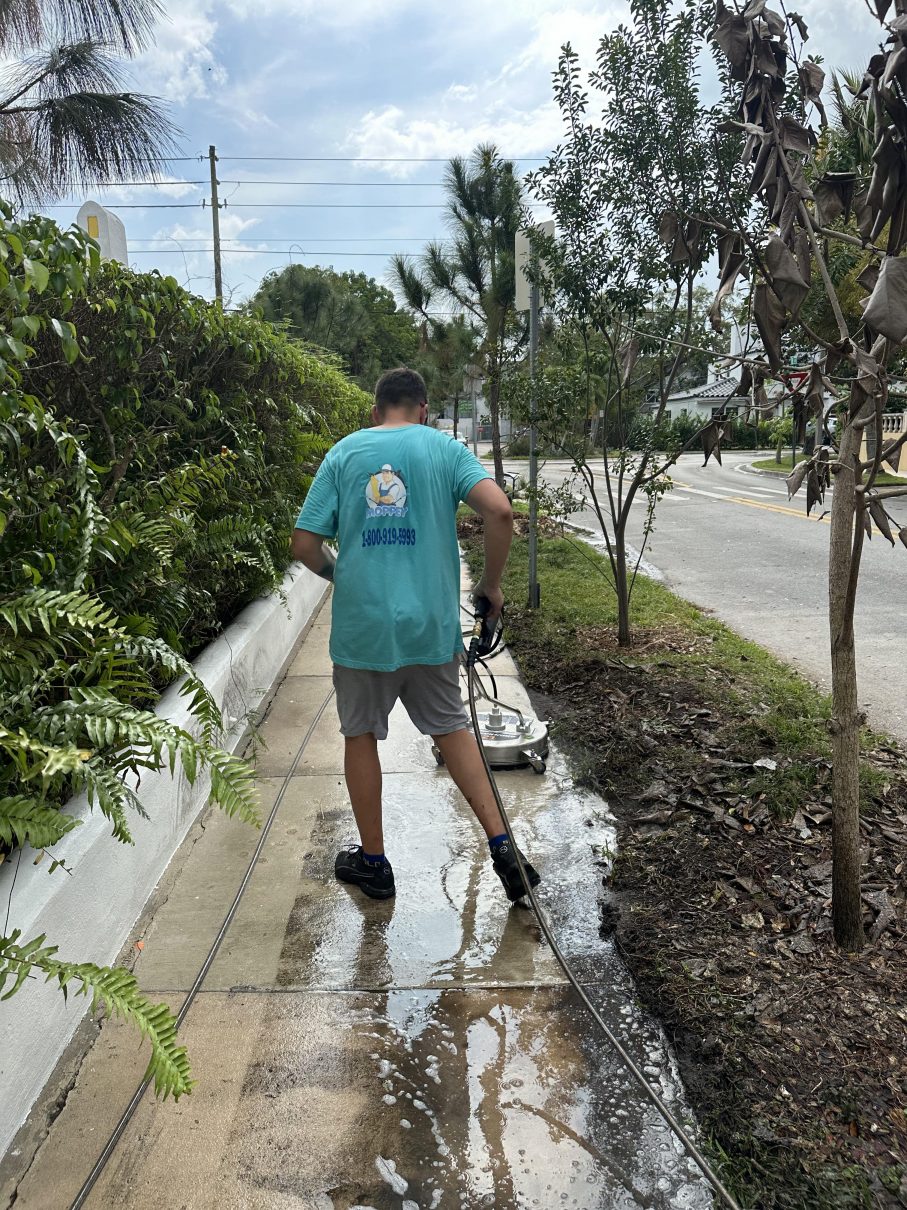
Moppey technician pressure washing a Miami walkway with a surface cleaner
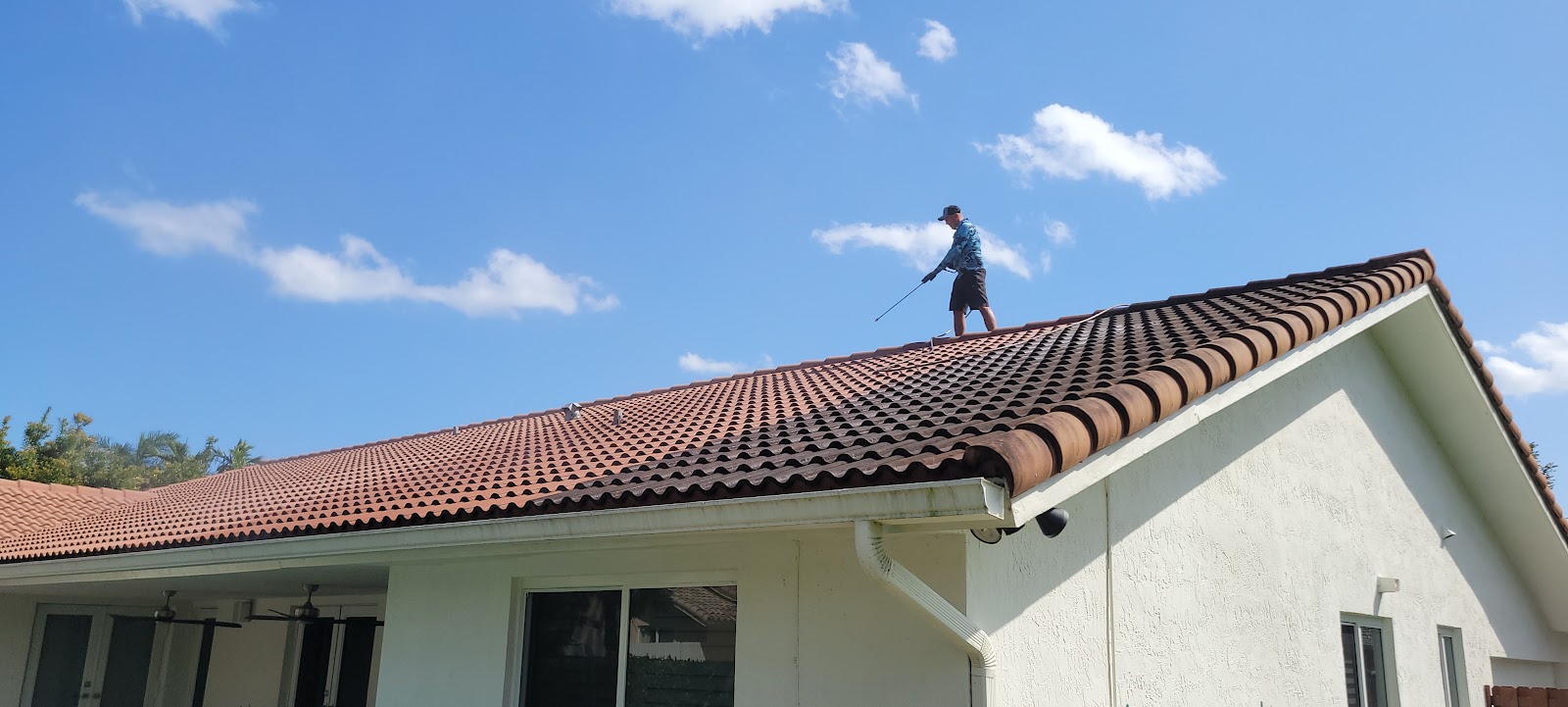
Soft washing a Miami barrel-tile roof
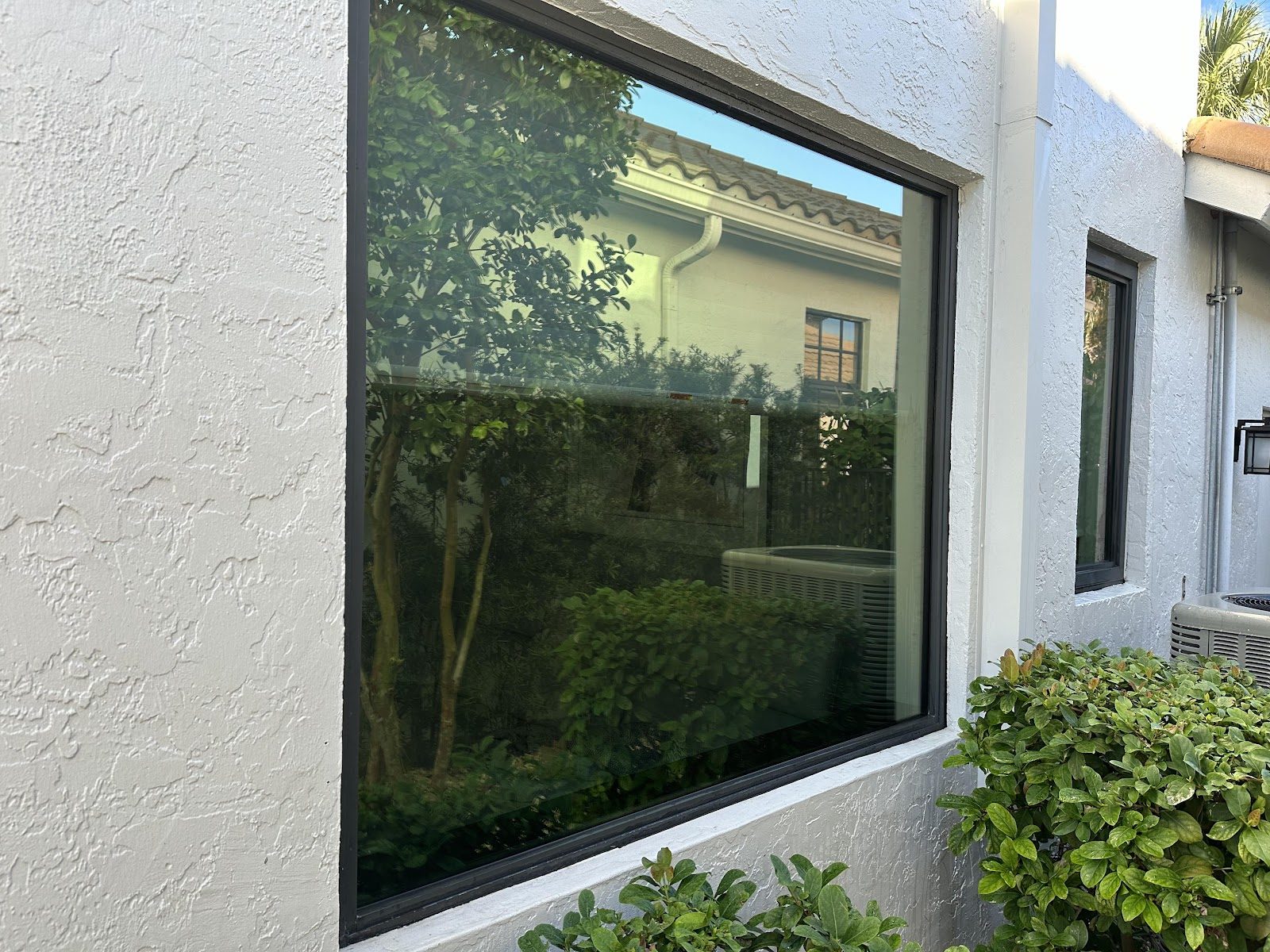
Clean exterior window on a Miami home

Social proof

What customers say

I had an issue with a dirty driveway and pool. I didn’t have the time or tools. Moppey came on time, fast — my drive looks like I can show it to my neighbor and my pool is usable again. Highly recommended.
MR GarfieldDriveway • Pool Verified Google review
100% recommend! I was only going to have my windows cleaned but they did such a good job I also included my patio and the driveway. They are very precise with every detail.
Jaime L.Windows • Patio • Driveway Verified Google review

Good to know

Driveway Cleaning FAQs

Most of the time, yes, especially if the spot is treated rather than just pressure washed. We work a degreaser into the stain, give it time to break down the oil, then clean it out. Fresh spots come up cleaner than ones that have soaked into the concrete for years, and very old, deep oil stains may lighten significantly rather than vanish completely. We will tell you honestly what to expect when we see it.

Not the way we do it. Full concrete-level pressure blows the sand out of paver joints and leaves them loose, so on pavers we drop the pressure and rely on a cleaning solution instead. That lifts the grime without stripping the joints. If joint sand does need topping up afterward, we will point it out so nothing is left half-finished.

In Miami that is almost always dirt driven into the pores by rain plus a mildew and algae film that grows in the shaded, damp areas. It builds up so gradually you stop noticing until it is cleaned and you see the difference. A surface cleaner run at the right pressure evens it all out edge to edge.

Different surface, different method. A concrete driveway is hard and takes real pressure with a surface cleaner. A roof or stucco wall is delicate and needs low-pressure soft washing so nothing gets damaged. We do not use one setting for everything, which is the whole point of matching the method to the surface.

For most Miami homes, once a year keeps concrete looking sharp. If your driveway sits in shade, sits under trees dropping sap and pollen, or catches a lot of sprinkler overspray, you may want it done more often because mildew and mineral staining come back faster. A good time to schedule is the April-May window before hurricane season.

Please have vehicles moved off the driveway so we can clean the whole surface, apron to garage. You do not need to be home the entire time, but we like to do a quick walk-through of the results with you at the end if you are around. If not, we can coordinate access ahead of time.

It does. The driveway is one of the first things a buyer sees pulling up, and a gray, oil-stained drive quietly drags down the whole first impression. Cleaning it back to an even, bright finish is one of the cheapest curb-appeal wins before you list.

Get a free quote by phone at +1 877-754-5614 or through the quote form, and it helps to send a photo of the driveway and any specific stains. Quotes are free, most are answered same day, and hablamos espanol if that is easier for you.
Usually yes, but rust is a chemistry job, not a pressure job. Orange and brown stains from sprinkler run-off, metal furniture, or fertilizer need an oxalic or acid-based rust remover applied and then neutralized, because plain pressure will not touch them. Miami's hard water off the Biscayne Aquifer makes these stains set in stubbornly, so older ones may lighten dramatically rather than vanish completely. We will tell you honestly what to expect once we see the stain.

Sealing is a separate step, and it should only happen once the driveway is fully clean, dry, and free of efflorescence. On pavers it helps lock in joint sand and slows down biofilm regrowth; on stamped or decorative concrete it protects the color coat. Sealing over a still-damp slab or over that chalky white haze traps the problem underneath, so we handle the cleaning first and advise whether sealing makes sense for your specific surface.

That slick feel is a living algae and biofilm layer, which thrives in Miami's constant humidity wherever the slab stays damp and out of the sun. It is more than a cosmetic issue because it genuinely reduces traction. We treat it with a cleaning solution that kills the growth down in the pores rather than just rinsing the top, so it lifts and regrows much slower.

A surface cleaner is a shrouded attachment with a spinning bar that holds its nozzles at a fixed height off the concrete, so the whole slab comes out one even shade. Regular wand pressure washing, waved by hand, leaves striped lines wherever the distance and angle changed. On broom-finish concrete we use a surface cleaner precisely to avoid that zebra-striped result, then follow with a cleaning solution to keep it from greening back up.

Not the way we do it. The damage happens when someone uses concrete-level pressure on pavers, which blasts the joint sand right out and leaves the joints loose. We drop the pressure on pavers and rely on the cleaning solution instead, so we lift the grime without stripping the joints. If any joint sand needs topping up afterward, we will point it out so nothing is left half-finished.

Yes, and we manage the run-off responsibly. We aim water away from your garage threshold and landscaping, pre-wet and rinse plants when we use chemistry, and neutralize any acid treatment before it leaves the slab. Miami sits on the porous limestone Biscayne Aquifer, so controlling where the wash water and solutions go is part of doing the job right, not an afterthought.

Most residential driveways are a couple of hours depending on size, surface, and stain load, with paver and heavily stained slabs taking longer because of the extra pre-treatment and joint care. You can typically use the driveway once it is rinsed and the surface has dried. If we seal afterward, that is a separate step with its own cure time, and we will give you a clear window before you drive or park on it.

Get your free driveway cleaning quote

Tell us what needs cleaning and we’ll help you choose the right service — from roof stains and driveway grime to windows, patios, balconies and commercial walkways.

Fast free quotes — most answered same day · Hablamos Español

Call NowGet QuoteDirections